What is the Climate Optimum Use Case For Land?
When I look at a building, an empty lot, a field of corn, pretty much any parcel of land, I start to wonder... What SHOULD be built there from a climate point of view? The more I thought about it, the more it seemed an absolute scandal that we don’t know the answer to that question for every parcel of land in the world. The climate optimum use case for a block in midtown Manhattan is likely the dense commercial/residential that is already there, but what about a random field in Indiana? Should it be conventional row crop farming, regenerative agriculture that sequesters carbon or used for large-scale utility solar? It is wild to me that this is such a hard question to answer.
Why should you care?
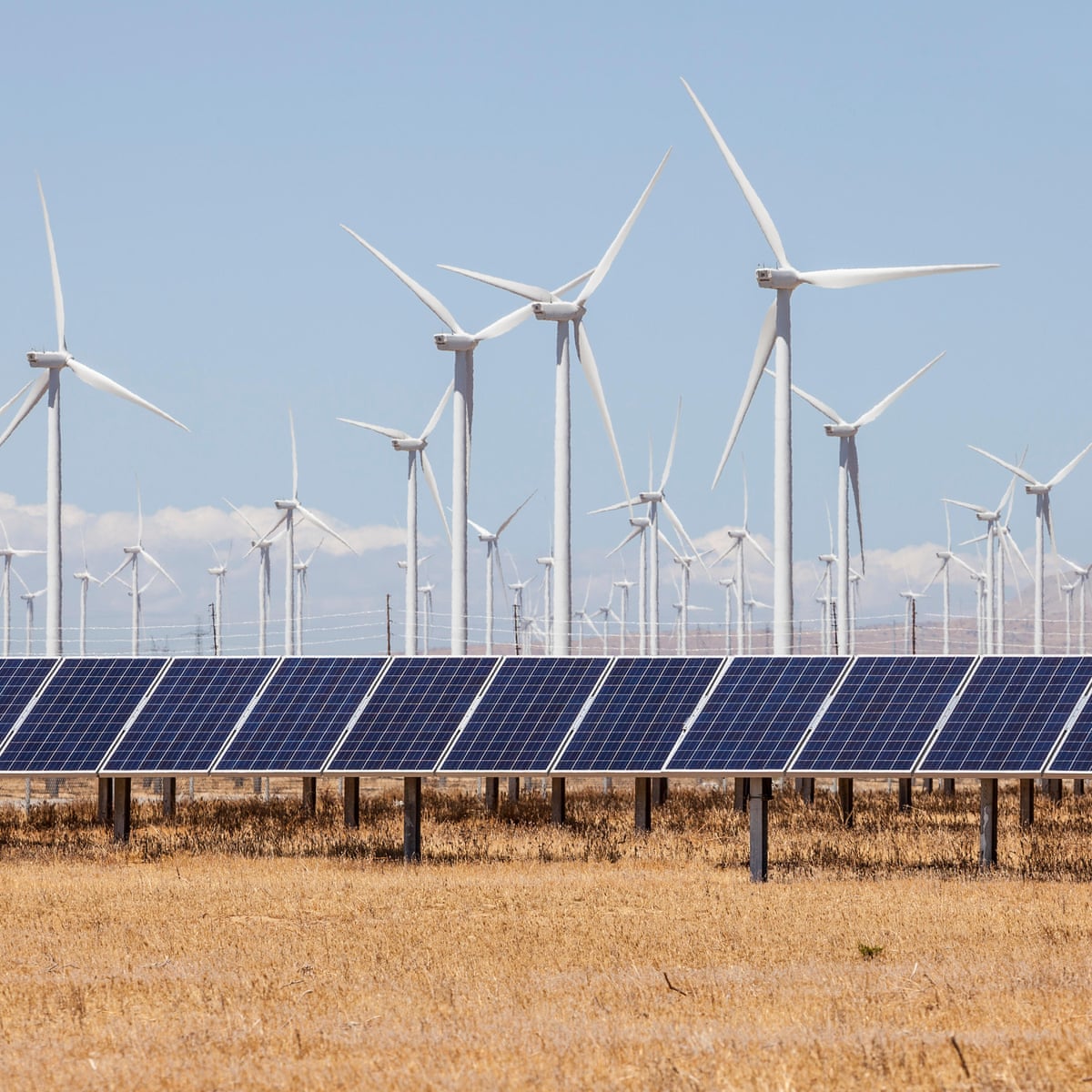
The climate has zero margin for error. We are on track for catastrophic warming well before the end of the century and the only way we can avert this is through an "all of the above approach" that tackles carbon across energy, manufacturing, transport, and the built environment. The million people working on climate solutions are a drop in the bucket of what is needed. We need to give everyone else the tools they need to understand how to reduce their climate impact and even create financial value doing so. Interestingly, there are already some groups of people who are making billion-dollar bets on where to build climate-saving infrastructure, including solar, wind, and utility-scale battery project developers.
Each of these is desperate for better site selection software as they spend up to $50K and months of effort to find the right site for their project. It is wild that for projects that when finished are worth 100s of millions developers are using up to a dozen tools from google earth to excel. Then I started digging into the problem and found that it is indeed really hard!
What Is Needed
There are 1000s of disparate data sets that need to be combined to give a good sense of whether a given parcel of land is being used in a climate optimal way. These data sets fall under three buckets:
- Environmental: Site size, whether it is on a floodplain, how much the sun shines, the wind blows, and whether an endangered animal lives nearby are all essential factors for how the land is best used.
- Zoning: Does zoning allow you to build solar on this field? What about wind? It's a shockingly hard question to answer and often means reading dozens of hard-to-find PDFs from the local planning board. Some sites may even have 3 or more overlapping jurisdictions from township to county to state to deal with. It's a real mess and the hardest data problem to solve. There are around 5000 zoning districts in the US alone.
- Interconnection: In theory, utilities would love to have more energy added to their grid at the places with the greatest excess capacity. In practice, they make it exceedingly hard, with data on where and how much it costs a project to connect to the grid often dependent on an “interconnection study”, a multi-month +$25K process. Finding sites where there is clear excess interconnection capacity is essential to making the process easier and figuring some of this out has been very exciting!
Once you have the data it's only the start. Next, you need to do multiple levels of modeling. From long-term forecasts around energy usage to climate migration to calculating how your project’s ROI is affected by a new, nearby competitive solar plant, the modeling is tough! A couple of insights are already emerging though, and I am confident these issues can be solved.
Who Cares Tomorrow?
Building site selection software for existing renewable developers is exciting and fun, but the world is about to get very weird and exciting with several new, heavy users of electricity about to scale.
- Hydrogen Electrolysis: I went from fairly skeptical to extremely bullish on hydrogen in the last 6 months. It is such an elegant solution to the seasonal energy storage issue and the most sensible way to decarbonize industrial uses that require high heat. I also like that it needs similar skills as oil and gas workers which makes retraining simpler. However, the efficiency when converting from electrons to hydrogen and back is not great and so extraordinarily cheap solar and wind are needed to make it price competitive with natural gas. We also need to balance placing these plants near electricity generation vs consumption, as you have a transport problem either way (transmission lines or gas pipelines!) and so site selection is really important.
- Direct Air Capture: DAC is great! It's a great way to permanently sequester carbon and removes many of the nimby issues that are problems for other sequestering technologies. I believe we will get to 1.5-degree warming by the end of the century by deploying renewables and clever work with land management and materials science, but to get below that DAC at a massive scale is necessary. The problem is that it's wildly expensive, with a carbon ton sequestered via DAC 30-100 times the price of a forestry carbon ton. So we need to place DAC plants at sites near cheap electricity!
- EV Charging Stations: Despite the nearly daily news about a cool new EV car or truck being released, I do not think people have really internalized how fast and disruptive the shift to EVs will be. 100s of millions of people will need to learn a new way of operating and recharging their vehicle and it will be a mess. Think mile-long queues for EV charging stations on the Friday before July 4th or extension cords strung across pavements from apartment windows. A Lot of EV charging stations are being sited in places that make sense for gas-powered cars, but make no sense for a world of +30% EV penetration!
- Vertical Farming: Vertical farming is far from the farming I was reared on in Ireland, but after speaking to a number of cool startups I have started to come around to it. I am somewhat skeptical whether it can scale to replace conventional row crop farming, however, it is an amazing way to get fresh vegetables produced en mass for cities. Growing plants with lights 24/7 is amazingly productive, but it is also dependent on cheap, ubiquitous energy. Stacking vertical farms at the optimum site for all day/night power consumption is an interesting data problem!
There are also some fascinating siting issues for new types of energy generation and storage:
- Moonshot Storage: From gravity to cryo storage, there are some fascinating companies working on scalable long-duration energy storage solutions. They have specific siting requirements and will need relevant data and software to scale
- Nuclear: I think getting some modular nuclear reactors up and running is an obvious and safe way to solve the base load problem, however regulation and NIMBYism are massive blockers. If their regulation piece can be solved, finding great modular nuclear sites will be a great business to be in.
Tailwinds and Headwinds
The renewable energy market is BOOMING. +$40 Billion in new capital will be spent in 2021, and that is going up each year. Add on the BBB bill that (fingers crossed) will go through congress this year, there is so much money flowing into the space its incredible and a real tailwind.
There are two big problems that are slowing things down. As mentioned, one issue is finding the best sites and the other is… A lack of people. From blue collar to white-collar roles, in the US we lack a couple of million people to plan and build all the projects we have funded. If some smart person wants to have a massive impact, there is a great edtech startup opportunity in clean energy!
Do You Work in Project Development, Project Finance or are a Landowner?
I started Paces to find the climate optimum use case of all the world’s land. If you are interested in what we are doing, let's chat!